The Counter X Blog

Deep dives into software, hardware, and the ideas reshaping how we build things.

Archives (page 11 of 11)

The Fourth Industrial Revolution: Where AI and Human Ingenuity Collide

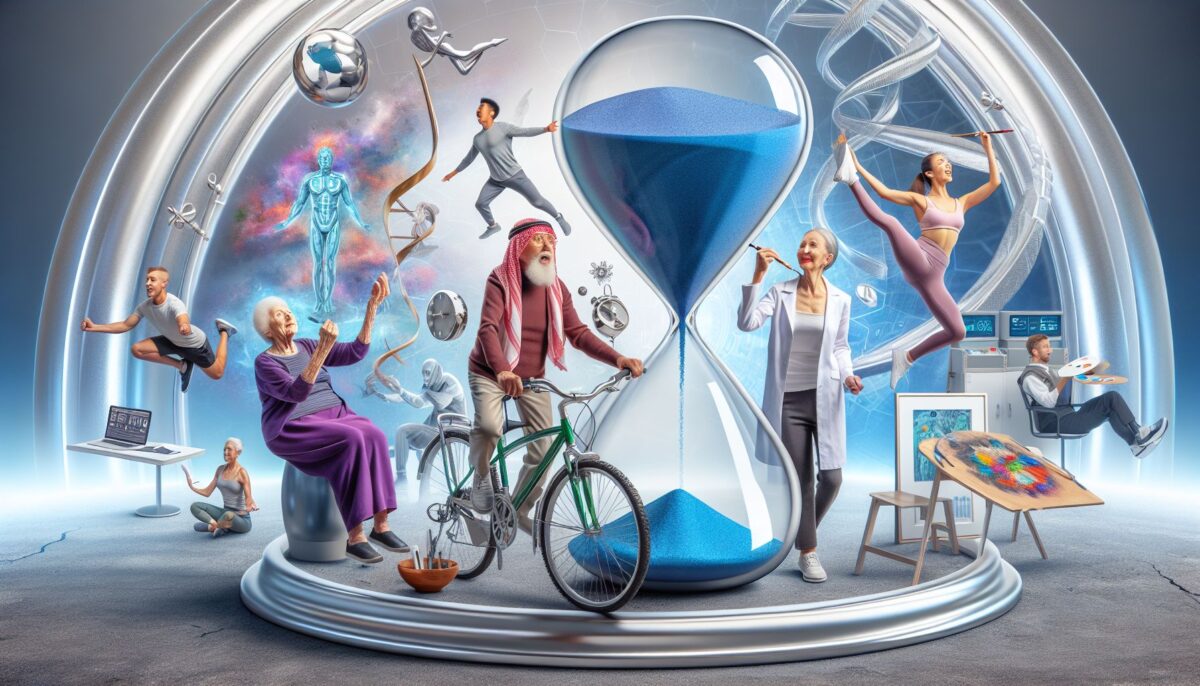
Hey tech aficionados and future-thinkers, today I’ve got something that’s been on my mind: the Fourth Industrial Revolution. Now, don’t roll your eyes thinking it’s just another catchy phrase to sell you gadgets you don’t need. This wave is more like a messy collaboration of Artificial Intelligence, biotech, robotics, and IoT that’s already changing how we live. I’m going to break down this techno-shift that’s happening right now, whether we’re ready or not.

What Exactly is the Fourth Industrial Revolution?

Let me paint the picture here. Remember when steam engines kicked off the first industrial revolution? It feels like eons ago, right? We’ve moved through electricity, the assembly line, and the digital surge. Now, we’re watching biological, physical, and digital worlds smash together. It’s like Darwin and Tesla had a brainstorming session and invited AI for coffee.

Klaus Schwab, the man behind the World Economic Forum, helped define this era where advanced technologies connect everything with invisible threads. A little poetic, sure, but accurate. It’s AI working its way into daily life, smart devices talking to each other, and genetic engineering writing its own sequel to “Jurassic Park”. You get the idea.

AI: The Puppet Master of Our Digital Dance

My personal favorite aspect? Artificial Intelligence, hands down. Okay, confession time: I’m a complete sucker for smart algorithms. Imagine a world where your coffee machine knows you’re late for a Zoom meeting and makes your latte extra strong. These algorithms are changing healthcare, finance, and even agriculture. It’s like having a super-competent sidekick, minus the cape.

But here’s where it gets interesting. AI’s biggest win is how it levels the playing field. Small businesses can go from garage to global faster than you can say “Silicon Valley.” Your neighbor’s startup idea that he won’t stop talking about? It actually has a shot now. This is an era when smart machines work with our emotional intelligence instead of against it. AI isn’t here to steal your job. It’s here to make you look phenomenal doing it.

Robotics: More Than Just Fancy Toasters

Let’s set the record straight. If you’re picturing a future full of clunky, humanoid robots, you’ve been watching too much sci-fi. Modern robotics is about precision, reliability, and getting stuff done without the drama.

Take Boston Dynamics, for instance. Their robots could put my downward dog to shame with those moves. Beyond the jaw-dropping YouTube videos, these machines are already changing supply chains, manufacturing, and search and rescue operations. Need someone to lift that massive Amazon package? There’s a bot for that.

IoT and the Symphony of Connected Devices

Picture this: you’re jogging, your sneakers tell your fridge you’ve burned the equivalent of a cheeseburger in calories, and your fridge texts back suggesting a post-run smoothie. Welcome to the Internet of Things era, where even your doorknob knows more about your habits than your best friend.

IoT is turning our homes into responsive ecosystems. Smart cities are no longer just a SimCity fantasy from the ’90s. Real-time data is helping us tackle environmental problems, traffic jams, and energy waste. Our cities are becoming more like helpful partners that make us live smarter and healthier.

Ethical Quandaries and the Path Forward

Of course, this wouldn’t be honest without talking about the scary stuff. With great power comes great responsibility, right? We’re in uncharted territory when it comes to data privacy, surveillance, and what it even means to be human. Do we want machines diagnosing our diseases? Or worse, picking our romantic partners?

This is where I think we need to slow down and actually think about what we’re doing. Tech leaders like Elon Musk and OpenAI keep saying this too, though they disagree on pretty much everything else. These conversations matter if we don’t want to end up in a “Blade Runner” nightmare.

The Future is Already Here, Lace-Up

If I can leave you with one thing: this isn’t coming later. The Fourth Industrial Revolution isn’t lurking on the horizon. It’s here, now, tapping us on the shoulder and asking if we want to dance. As people and societies, jumping into this wave means accepting a future that goes beyond borders and cultures, letting talent bloom on a global scale.

And like any complex system, what happens next depends on how we choose to engage with it. Will we ride this tech wave into something better or hide in the corner, missing the chance to help all of humanity?

For my part, I’m lacing up my metaphorical running shoes and heading toward this new age. Here’s to the wild possibilities that the Fourth Industrial Revolution might actually deliver.

The Age of Fusion: Are We Finally Cracking the Code to Unlimited Clean Energy?

Hey tech enthusiasts and future-obsessed dreamers! Today, I want to talk about something that’s been making waves in the scientific community lately: nuclear fusion. Yep, that’s right—the energy source of the stars. We’re talking about the real potential for nearly limitless clean energy. If you’ve ever dreamed about a future where energy scarcity and climate change are just stories from the past, then fusion might be our best shot.

Fusion: A Star’s Best Kept Secret

Let’s start with what fusion actually is. Nuclear fusion is the process of combining lighter atomic nuclei to form a heavier nucleus. This is the same process that powers our sun and releases massive amounts of energy. Unlike nuclear fission (which is what’s used in our conventional nuclear reactors), fusion doesn’t produce long-lived radioactive waste. Instead, it uses isotopes of hydrogen, primarily deuterium and tritium, which are readily available, especially in the oceans.

For decades, scientists have been trying to harness this incredible process for a practically inexhaustible energy supply on Earth. But the universe loves its mysteries and didn’t exactly hand us the operating manual on fusion reactors ready to go. It’s been a challenge that’s teased and frustrated physicists around the globe for over half a century.

A (Not So) Brief History of Fusion Research

The quest for fusion has been a bumpy ride. Research began in earnest in the mid-20th century, with various countries pouring resources into it over the decades. You might’ve heard of a few key players like ITER in France or the National Ignition Facility in the United States. These are massive projects aiming to not just advance our understanding but to actually achieve what’s called “ignition,” where the energy produced by the fusion reaction equals or exceeds the energy required to sustain the reaction.

Now, I don’t know about you, but growing up I always imagined the year 2020 would look a bit more like “The Jetsons” than it actually did. It seems like for every leap forward, we’re met with setbacks or pauses for breath. But in recent years, it feels like we’ve truly entered a new phase where the pace of development is picking up speed.

Recent Breakthroughs: Real Momentum or Just Hype?

So, why am I bringing this up now? Recent breakthroughs have put fusion back in the spotlight. Last year, the National Ignition Facility actually achieved a net energy gain from a fusion reaction for the very first time. That’s right—more energy came out than was put in. If that doesn’t get you excited, I don’t know what will.

And they’re not alone. Private companies are also getting in on the action. Companies like Commonwealth Fusion Systems and TAE Technologies are making big promises and attracting capital like honey attracts bees. These startups are pushing new technologies, like using high-temperature superconductors in magnetic confinement techniques, to reach those elusive break-even points faster than big government projects might.

Why Should We Care? The Implications are Earth-Shattering

Let’s break down why these developments should have you bouncing off the walls with excitement or at least a raised eyebrow of curiosity.

Clean, Green, and Virtually Infinite

First and foremost, fusion is clean energy. It doesn’t belch out carbon emissions or produce long-lived nuclear waste. It’s like striking gold in the quest to reverse climate change and turn the tide in our favor. Imagine a world where our oceans can fuel our power needs, pushing fossil fuels to the dusty shelves of history.

Economic Boon

Here’s another kicker: think of the economic implications. Cheap, abundant energy could revolutionize industries, lower costs, and spur innovation similar to post-industrial revolutions of the past. Futurists are buzzing with predictions of a new golden age, where energy abundance could tackle issues like water scarcity through desalination or catalyze space travel through more sustainable propulsion methods.

Energy Independence

If all goes as planned, fusion could liberate nations from energy dependencies. Picture a world where access to energy isn’t dictated by geopolitics. Instead, countries could harness their own limitless power without the shadow of oil embargoes or pipeline politics looming over them.

The Roadblocks: Challenges We Must Overcome

Not to be the bearer of bad news, but it’s important to address the hurdles that still stand in our way.

Technological Challenges

The gap between having a successful experiment and deploying a commercial-scale reactor is huge. It’s the scaling-up process that proves challenging. We need materials that can withstand extreme conditions and massive investments in infrastructure.

Economic Viability

The economic model of fusion is still tricky. The funds needed to build these reactors are enormous, and without a clear path to profitability, investors can be understandably hesitant. Governments and private entities need to find a balance in collaboration and competition to move the industry forward.

Public Perception and Policy

There’s also the hurdle of public perception. Nuclear anything tends to send folks running for the hills. Education and transparent communication will be key to gaining the public’s trust and governmental support.

Looking to the Future: Hopeful Speculation

Now let’s indulge in some speculative forward-thinking. If we keep up this pace, it’s conceivable we could have functional, grid-ready fusion reactors within the next 20 to 30 years. That’s enough time to perfect renewable technologies and smoothly integrate fusion into our energy grids, phasing out fossil fuels without throwing society into chaos.

The prospect of fusion inspires me. It’s a testament to human ingenuity and resilience. We’ve got a shot at a brighter (no pun intended) future. I, for one, can’t wait to see how these stories unfold.

In closing, continue to keep an eye on those headlines coming out of labs and startups. Today’s news might be tomorrow’s historical moment. Until then, power on, dreamers and thinkers!

Cheers to the Engines of the Stars!

A Journey Beyond Pixels: The AI Canvas of the Future

Hey fellow tech enthusiasts! Today, I want to invite you on a trip down the rabbit hole into the mesmerizing world of Artificial Intelligence in creative arts. Before you let skepticism cloud your judgment and dismiss AI as an emotionless code cruncher, hear me out. This new wave of intelligent systems isn’t just about data and algorithms, it’s about reframing art and creativity in ways we’ve only dreamed of before. Ready to dive in?

The Collision of Art and Algorithms

Picture this: a world where artists are collaborating with digital minds to create masterpieces that touch the soul in ways we’ve never imagined. Initially, the idea of machines as artistes might sound like something out of a sci-fi novel, but today, it’s very much a reality. AI has moved beyond business analytics and predictive models to become a bridge connecting the traditional world of art with futuristic digital landscapes.

From Neural Nets to Neo-Impressionism

So how, you might wonder, does a bunch of code become an artist? Well, let’s dip our brushes into some data-driven paint. Neural networks, particularly generative models like GANs (Generative Adversarial Networks), are leading the charge. These systems learn a taste for art by being fed thousands of examples, much like an art student poring over the works of Van Gogh and Monet. Once trained, these networks can create wholly original pieces that evoke emotion, provoke thought, and inspire awe.

Remember when DeepArt and other apps surfaced, transforming your selfies into Picasso-style portraits? That was just the appetizer. The main course is the AI that can generate novel art styles, combining elements of cubism with the fluidity of digital graphics. It’s like having Rembrandt and a Supercomputer as co-painters on the same canvas!

Real Artists, Real Collaborations

While purists might wrinkle their noses at AI’s intrusion into the sacred realm of art, many modern-day artists have embraced this digital companion. Take for instance renowned artist Refik Anadol, who transforms data into spellbinding visualizations, creating immersive experiences with the help of machine learning.

More Than Just Tools

To all naysayers: AI in art isn’t about replacing the artist. On the contrary, it’s about enhancing what human creativity can achieve. It’s a tool, albeit a constantly learning and evolving one, that can push the boundaries of what’s possible. It’s like giving a chef a new spice. The result is an innovative explosion of flavor, not a replacement of the chef.

The Unique Possessions of AI Art

Now here’s a question that might bug a few: If an AI generates art, who owns it? The lines blur here, folks. Legal structures worldwide are still catching up with the tech. But one thing’s for sure, every piece generated is unique in its right. It’s crafted from specific datasets, interpretations, and learning algorithms. Imagine owning a painting knowing that no one else can have a replica of it, because the variables leading up to its creation can never be duplicated.

New Revenue Models

The emergence of blockchain technology has also joined hands with AI to revolutionize art ownership. NFTs (Non-Fungible Tokens) have burst onto the scene faster than you can say “cryptokitties.” Artists now tokenize their digital art, including AI-generated pieces, essentially flipping the art market on its head and providing creators and collectors a whole new way to sell, buy, and authenticate art.

Potential Pitfalls and Ethical Questions

Now, let’s address the elephant in the room: artificial art’s ethical implications. Just because AI can create doesn’t mean it should do so without consideration of the ripple effects. Questions around cultural appropriation, misuse in propaganda, and the environmental impact of high-resource algorithms all need thorough deliberation.

A Brush Against the Reality Check

And while an AI’s ability to produce art is revolutionary, it still lacks the lived experiences and emotional depth that human artists innately possess. Until machines hit the road with Van Gogh’s romantic torment or Frida Kahlo’s angst-laden storytelling, AI will remain a superb ally, not a solo genius.

The Speculative Tomorrow of AI Art

So what does the future hold? Imagine a world where you walk through a gallery, and every piece of art dynamically changes to respond to your emotions. Picture art installations that evolve over time, reacting to local weather, political climates, or even global pandemics. The speculative landscape is vast and brimming with potential.

The Artist-Machine Symbiosis

Our job as tech visionaries is to ensure this journey of AI in art is guided by ethical, inclusive, and innovative principles. Artists and machines working together might just be the inspiration future generations look back to as the turning point in creative evolution.

Conclusion: Tidying Up the Palette

In closing, while AI may never learn the complexities of human emotion, its role in the creative arts is transformative. It enriches the toolbox with algorithms and machine learning models that amplify human ingenuity. So whether you’re a skeptic or enthusiast, it’s a thrilling time to be alive. We stand on the cusp of a new era in art history, where the lines between human and machine artistry blend to create something magical. So grab your digital paintbrushes, everyone. Art’s future is coded right in front of us!

And that’s all from me for today. As usual, shoot me your thoughts, dreams, skeptical queries, or futuristic predictions. Until next time, keep those circuits creative!

How to Find the Cheapest Car Insurance Coverage From the Largest Auto Insurance Companies

Progressive has been around for over three decades and built up a solid reputation as one of the major insurance providers nationwide. You’ll find Progressive agents across the country, with offices in California, Illinois, New York, Florida, and plenty of other states. People tend to stick with Progressive because the rates are reasonable, customer service is decent, and they’ve got a proven track record. If you’re currently shopping around for auto coverage, Progressive might be worth considering. Here’s what makes them stand out.

Progressive covers both collision and comprehensive insurance, which is pretty standard these days. What’s nice is that if you want comprehensive coverage but can’t pay the full amount upfront, they’ll let you finance it directly through them. They also give you discounts when you insure multiple vehicles with them. Plus, they keep down payments low and offer financing options to help make your premiums more manageable. All of this adds up to real savings on your car insurance, which is what most of us are looking for anyway.

Progressive also scores well when it comes to keeping customers happy. Over the past three years, they’ve consistently ranked high in customer satisfaction surveys. This matters because customer satisfaction ratings are often the first thing people check when they’re comparing insurance companies.

When you’re trying to find the best auto insurance companies, consumer reports are your friend. You can find tons of detailed reviews online that break down what each insurer offers and how they actually treat their customers. I’d recommend reading through reports on all the top-rated insurers in your state, then comparing their rates and coverage options side by side. It takes some time, but it’s the best way to make a smart decision about your policy.

Different companies offer different types of discounts, so it pays to shop around. Some give breaks to teenage drivers, military personnel, or students with good grades. Others focus on discounts for women drivers or people who’ve taken defensive driving courses. You’ll want to look at what discounts you actually qualify for when you’re comparing companies.

GEICO is another solid option if you’re looking for affordable coverage. They’re known for keeping costs down, and their website breaks down all the various discounts you might be eligible for. They offer several different policy types, and their rates are usually competitive. GEICO also has a good reputation for paying claims promptly and keeping customers satisfied.

J.D. Power and Associates is worth mentioning because they do extensive research on auto insurers every year. They rank hundreds of insurance companies annually, which gives car owners solid data to work with when they’re choosing between different providers.

Allstate Insurance Group is another major player worth considering. They give you quotes based on your specific situation. So if you’re a good student, drive an older car, or have a clean driving record, you might get a better rate. They have a quote tool you can use either by calling them directly or downloading their quote engine online. It’s a quick way to see how their rates compare to what you’re paying now.

How Much Umbrella Coverage Do I Need

Before buying a policy, ask yourself: “Do I really need umbrella coverage?” The answer is yes! Here’s why getting the right amount of coverage matters when you’re shopping around.

how much umbrella coverage do i need

You need to figure out how much coverage will protect your home, car, and personal belongings. If your car breaks down and causes an accident, you might not have enough coverage for the damages. Same goes for your home, what if something happens while you’re on vacation?

After you’ve figured out your coverage needs, you can start looking at different policies. You’ve got options like whole coverage, term insurance, homeowner’s insurance, and renter’s insurance. Knowing which type works best for your situation helps you make a smarter buying decision.

The next step for figuring out umbrella coverage is understanding what type you actually need. There are several kinds: fire protection, accidental death and dismemberment, and personal liability. You should know which one matters most for your situation. If you want solid protection, look for a plan that covers all these areas.

Your location matters too. To protect yourself from damages, you need to know about wind patterns in your area, which vary by location. You’ll want coverage for both yourself and your vehicle to protect your assets.

If you live somewhere with little to no wind, how much coverage do you need for your home, cars, and belongings? Honestly, probably not as much. But if you live in a windy area, you’ll need more than basic coverage to protect what you own.

Knowing this stuff helps you make better decisions when picking the right policy. Understanding your coverage needs makes the difference between getting inadequate protection and buying more than necessary. Plus, having the right amount of coverage can lower your premiums and save you money.

Now you know how much coverage you need for your assets and where they might be at risk. You can relax knowing you’re protected without spending money on policies you don’t actually need.

One thing to consider is how much protection your vehicle or assets get from your current policy. If you drive a sports car, you need a coverage plan that protects against collision damage for expensive vehicles.

You should also think about home coverage needs, which depend on where you live. You can find different insurance quotes for homes, including coverage for flood damage, fire damage, and natural disasters.

Once you understand these questions, you should be able to pick coverage that fits your needs and budget.

If you want to learn more, check out the National Insurance Center for detailed information. Their website has articles by insurance experts about different coverage types and how they affect your protection. You can also find tips for getting multiple quotes to compare prices before deciding.

All About the Best Milk Frothers in 2020

Most froth makers on the market will give you great results, but few offer three temperature settings. You can become a skilled coffee maker yourself today! Of course, you need a good coffee maker or espresso machine, and you have to know how to make decent quality coffee.

Build quality matters a lot when it comes to frothers. Just because something’s cheap doesn’t mean it’s a smart buy. It’s pretty straightforward to use but nothing fancy. Also, think about how you’ll clean the product you’re considering. Overall, it’s a solid choice when you want something simple and quick.

Letting milk dry on your frother just makes cleaning a pain later. If you want to experiment with different types of milk, you should invest in a frother that’s flexible and works with various options. Once you turn it on, it froths the milk by itself, so you can just wait about 90 seconds while it does the work. You can warm up the milk separately first, but that adds extra time to your morning routine.

Coffee is popular everywhere. Around the world, it’s most people’s go-to drink not just for the caffeine kick but for its unique flavor and smell too. Now you’re finished, and you can enjoy your drink. Making one drink at a time takes forever since each one needs two or three minutes. If you’re obsessed with coffee drinks like I am, you’ll agree that the frothy ones taste best.

Best Milk Frothers

At the end of the day, companies that make and sell milk frothers are doing it to make money. How you’ll need to care for your milk frother depends on what type it is. The best milk frother should be made with quality materials. To pick the right milk frother, you really need to know what you’re looking for.

There are different types of milk frothers you can choose from. They come in many forms and cost little compared to what they add to your favorite hot or cold drinks. The best milk frother should be easy to use. Which milk frother works best will vary from person to person.

If you’re trying to decide which milk frother to buy, you have tons of options. Whether you prefer a manual milk frother or an electric one, you’ll still get professional-looking results quickly! When you read detailed milk frother reviews below, you can make the right choice for the best milk frother easily. A milk frother is a small kitchen tool that creates light, airy froth and foam for all your favorite hot and iced coffee drinks. If you want your milk frother to last a long time, choose one that resists corrosion and wear. You can find many different types of milk frothers available in stores at reasonable prices.

There are many options to pick from, which is why we’ve decided to narrow it down to the top 8 best milk frothers money can buy! Choosing the right frother should be based on how reliable it is and how easy it is to clean after use. Make a smart choice before you buy. There are lots of options available, but what you need depends on how much you’re willing to spend and how many people will use the machine.

According to Bodum, they recommend using cold, non-fat or low-fat milk to get the best froth. It’s stain-proof, impact-resistant and rust-proof, so it’s safe for daily use and will last a long time. The best part is you don’t need to watch over the machine and there’s almost no cleanup involved!

Best Milk Frothers Choices

When shopping for the best milk frother, you should also check customer reviews. Good news is that almost all milk frothers are pretty easy to clean. Some can just be rinsed under the tap, while others can go in the dishwasher. Another handy feature is that you can add things like chocolate powder directly to the jug. Before you buy the best coffee frother, make sure the manufacturer offers a warranty. Jug-style frothers usually cost more than handheld ones.