The Counter X Blog

Deep dives into software, hardware, and the ideas reshaping how we build things.

Archives (page 10 of 11)

The IDE Renaissance: Why 2026’s Developer Tool Wars Are Reshaping How We Code

The Battlefield Has Evolved Beyond Recognition

The developer tool world of 2026 looks nothing like the editor wars we fought just a few years ago. Sure, Visual Studio Code still dominates with nearly three-quarters of web developers using it, but that’s not really the story here. What’s happening is way more interesting than just counting market share.

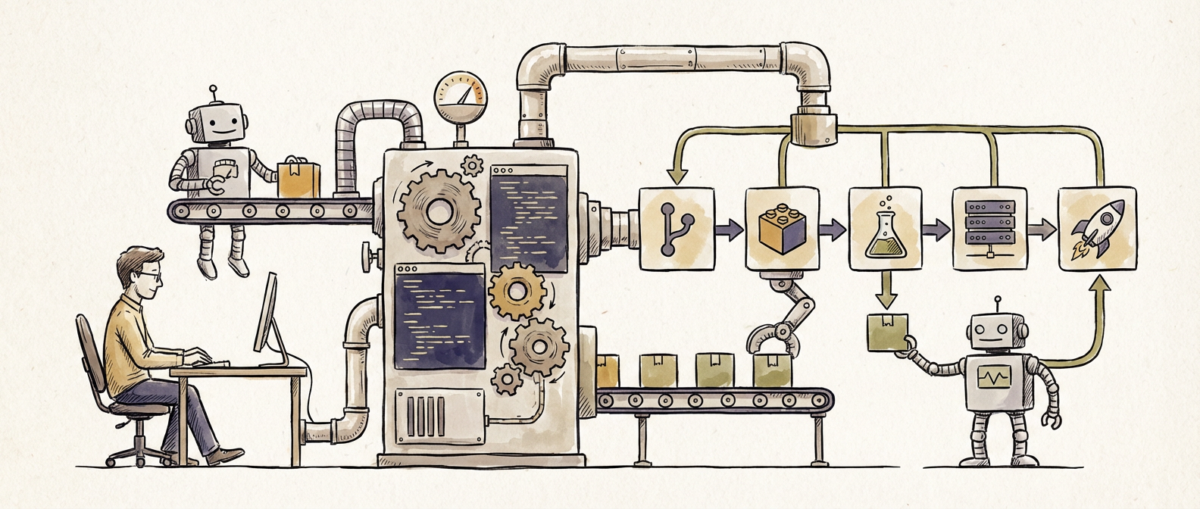
The IDE Renaissance: Why 2026's Developer Tool Wars Are Reshaping How We Code
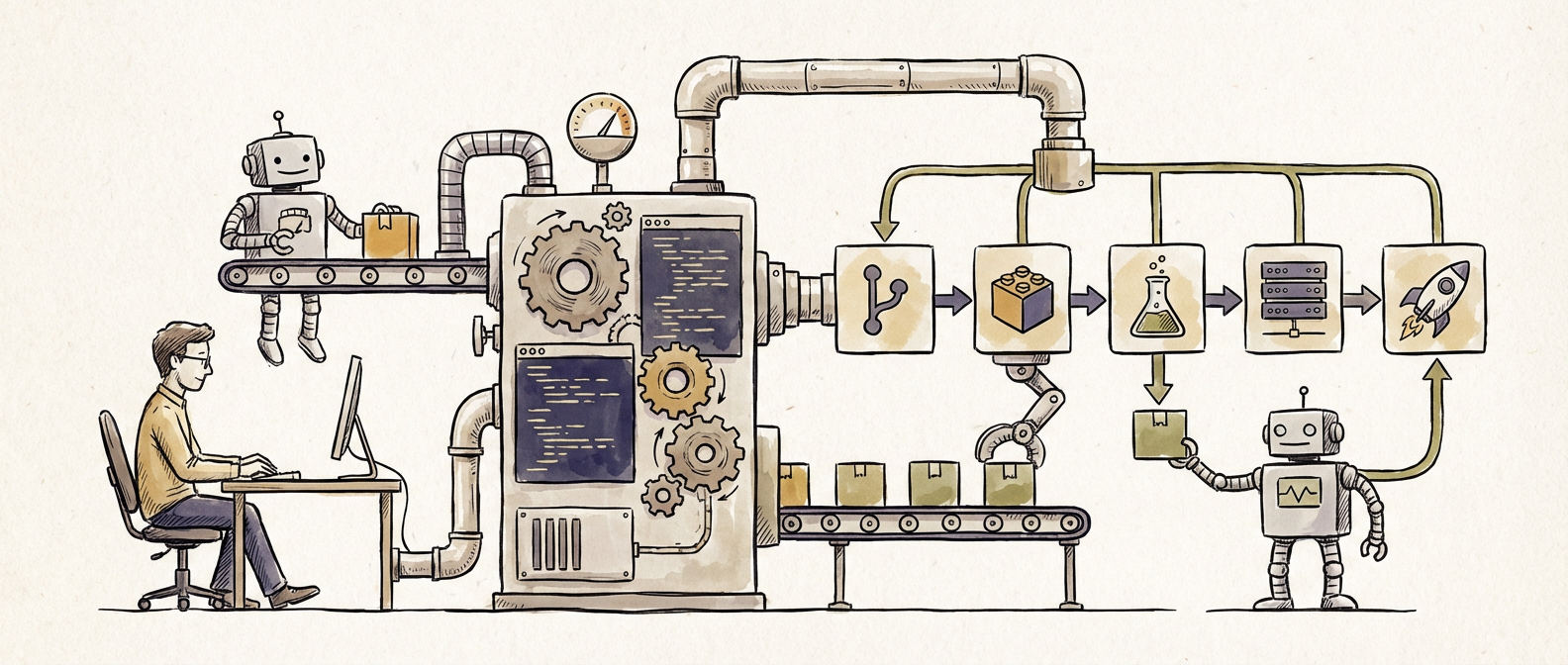
The IDE Renaissance: Why 2026’s Developer Tool Wars Are Reshaping How We Code

I’ve noticed specialized tools finding their own niches instead of trying to beat VS Code at its own game. The whole “one editor to rule them all” mentality is dying. Developers are getting pickier about their toolchains, choosing different tools for different jobs based on what actually makes them productive, not what’s trendy.

The VS Code documentation keeps growing as Microsoft pushes harder on extensions, but VS Code’s biggest threats aren’t coming from copycats. They’re coming from tools that completely rethink what a development environment should be.

The Quiet Revolution in Enterprise Development

While everyone obsesses over shiny new editors, JetBrains still owns enterprise Java and Kotlin development. And it’s not just because big companies are slow to change. Their IDEs actually understand massive codebases in ways that generic editors can’t touch.

The JetBrains developer survey backs this up: when you’re dealing with millions of lines of code and dependency hell, IntelliJ’s refactoring tools aren’t just convenient features. They’re survival tools.

This tells us something bigger is happening. Professional development is splitting off from hobbyist tools. Building a React side project is completely different from maintaining a 15-year-old enterprise monster. The tool market is finally catching up to this reality.

Performance-First Development and the Zed Phenomenon

Zed editor has become the darling of developers who care about speed. And I mean really care about speed, not just “oh that’s nice” speed. The thing is genuinely fast in a way that makes other editors feel sluggish once you get used to it.

But speed isn’t even Zed’s most interesting feature. The multiplayer editing is wild. Two people can literally code in the same file at the same time without the usual git merge nightmare. It sounds gimmicky until you try it, then you wonder why we haven’t been doing this for years.

The timing matters here. As teams get more spread out and apps get more complex, every little delay between thinking and typing starts to add up. Tools that eliminate friction aren’t just nice to have anymore, they’re competitive advantages.

AI Integration Rewrites the Rules of Code Review

AI coding tools like Cursor and Copilot aren’t just fancy autocomplete anymore. They’re breaking our traditional code review process. How do you review code when half of it came from an AI suggestion that works perfectly but uses patterns you’ve never seen?

Teams are scrambling to figure this out. Old-school line-by-line reviews don’t make sense when you’re checking AI-generated code. We’re shifting toward reviewing architecture and business logic instead of syntax and implementation details.

The career implications are huge. Junior developers can contribute to complex projects way earlier than before, while senior developers are becoming more like AI prompt engineers and system architects. This changes everything about how we hire and train people.

The Terminal Renaissance and Low-Code Disruption

Here’s something I didn’t see coming: terminal-based development is having a moment. The Neovim ecosystem has exploded with plugins that make GUI IDEs look bloated and slow. This isn’t just old-timers being stubborn. For certain workflows, the command line is genuinely faster.

Meanwhile, low-code platforms are eating into entry-level development jobs. But it’s not simple job displacement. Business experts are building sophisticated apps without writing traditional code. The definition of “developer” is expanding whether we like it or not.

This creates a weird tension in tool design. Do you optimize for power users who want maximum control, or for citizen developers who need training wheels? The best tools this year are somehow managing to do both without making everyone miserable.

Developer tools keep changing faster than we can keep up with, driven by new work patterns and the reality that AI is now part of how we build software. The tools we pick aren’t just about technical features anymore. They reflect how we think about creativity, teamwork, and problem-solving in a world where machines help us code.

The Invisible Foundation: How Open Source Software Became the Backbone of Digital Civilization

The Silent Revolution in Our Digital Infrastructure

Every morning, billions of people wake up and interact with digital systems that depend entirely on software they’ve never heard of, created by programmers they’ll never meet, and distributed freely across the internet. This isn’t hyperbole or metaphor. It’s just how our digital world actually works. Open source software is so deeply baked into modern technology that without it, virtually every sector of the global economy would collapse overnight.

The numbers are honestly mind-blowing. More than 96 percent of the world’s top one million web servers run on Linux, an operating system that started as a hobby project by a Finnish computer science student in 1991. When you check your bank account, stream a video, order food, or video chat with family, the servers handling those requests are almost certainly running code that anyone can download, modify, and redistribute for free.

This goes way beyond operating systems. Web servers like Apache and Nginx handle traffic for websites generating billions in revenue. Databases like PostgreSQL store critical data for everything from healthcare records to financial transactions. The Open Source Initiative estimates that open source components make up 70 to 90 percent of any modern software application. Yet most organizations struggle to even track what open source code they’re using, let alone understand what their dependence on it actually means.

The Economics of Collective Digital Labor

How did this happen? You have to look at the weird economics of software development. Unlike physical goods, software can be copied and distributed at basically zero cost. This breaks traditional economic models in fascinating ways. When a developer solves a problem and shares the solution openly, every person who encounters that same problem can benefit without taking anything away from the original creator.

This has created what economists call positive network externalities at a scale never seen before. Each contribution to an open source project potentially helps millions of other developers and billions of end users. The cumulative value is almost impossible to measure, but consider this: Apache alone processes trillions of web requests annually for organizations whose combined market value exceeds the GDP of most countries.

But there’s a sustainability problem that’s become impossible to ignore as open source moved from niche hobby to global infrastructure. Developers who maintain critical projects often do so in their spare time, getting little or no compensation despite their work supporting massive commercial enterprises. This disconnect between creating value and capturing value has led to what many recognize as an existential crisis for the open source ecosystem.

Corporate Awakening and Investment Patterns

Companies are finally starting to put their money where their dependencies are. Burnout among maintainers of essential projects has forced businesses to face an uncomfortable reality: their business models rest on volunteer labor that could disappear without warning. This has triggered a wave of corporate adoption programs and funding designed to keep critical projects healthy.

GitHub Open Source programs show how this is changing. GitHub’s sponsor program has distributed over 30 million dollars directly to maintainers, and that’s just one channel in an increasingly complex ecosystem of corporate support for open source development. Major tech companies now employ entire teams dedicated to contributing to and maintaining open source projects because they’ve realized it’s in their long-term interest.

But these funding mechanisms still represent a tiny fraction of the economic value that open source software generates. The challenge isn’t just the absolute amount of funding, but developing sustainable models that can scale with the growing importance of open source infrastructure. Traditional venture capital and corporate funding often clash with the collaborative, non-proprietary nature of open source development. We need new approaches that align financial incentives with community values.

Regulatory Pressures and Safety Imperatives

As open source software became more central to critical infrastructure, it also started attracting regulatory attention that could fundamentally change how these projects work. The European Union’s Cyber Resilience Act is the most significant attempt to impose liability frameworks on open source software development, potentially requiring developers to meet specific security standards and take legal responsibility for vulnerabilities in their code.

These regulatory pressures come alongside a broader industry recognition that certain categories of software need higher safety standards than the traditional open source model typically provides. Memory-safe programming languages like Rust are increasingly replacing C in safety-critical systems, including core components of the Linux kernel and major cloud infrastructure platforms like Amazon Web Services. This reflects a maturation of the open source ecosystem, where the benefits of collaboration have to be balanced against the need for reliability and security in critical systems.

The tension between innovation and regulation in open source represents a microcosm of broader challenges facing technology governance today. How do you maintain the collaborative, experimental culture that made open source so successful while ensuring the resulting code meets the safety and security requirements of modern infrastructure? How we answer this question will likely determine whether open source continues to thrive as the foundation of digital civilization or gets constrained by the very success that made it indispensable.

The Path Forward for Digital Infrastructure

The transformation of open source software from a niche programming philosophy to the backbone of global digital infrastructure is one of the most remarkable examples of collective human achievement in the information age. But this success has created new responsibilities and challenges that the community is still learning to handle. The next decade will likely determine whether open source development can adapt to support the weight of civilization’s increasing digital dependence while keeping the collaborative spirit that made this success possible.

For anyone trying to understand the forces shaping our digital world, the open source software ecosystem offers a fascinating case study in how technical decisions made by small groups of developers can ultimately influence the daily lives of billions of people. The invisible foundation supporting our digital world deserves far more attention from policymakers, business leaders, and citizens who depend on its continued stability and innovation.

The Hidden Foundation: How Open Source Powers Your Career and the Digital Economy

The Invisible Infrastructure Revolution

Every time you check your email, stream a video, or make an online purchase, you’re interacting with a complex web of open source software that most professionals never see. This invisible foundation has quietly become the backbone of modern digital infrastructure. And it’s creating some amazing career opportunities for those who understand what’s happening.

The Hidden Foundation: How Open Source Powers Your Career and the Digital Economy

Consider this reality: Linux operating systems now power more than 96 percent of the world’s top million web servers. That smartphone app you’re building? It’s likely running on open source frameworks. That enterprise database storing millions of customer records? Probably PostgreSQL or another open source solution. The web server delivering content to your users? Apache or Nginx handle billions of dollars in enterprise revenue every day.

For technology professionals, this shift is more than just technical architecture decisions. It’s a fundamental change in how careers get built, how value gets created, and where the most interesting opportunities will be in the coming decade.

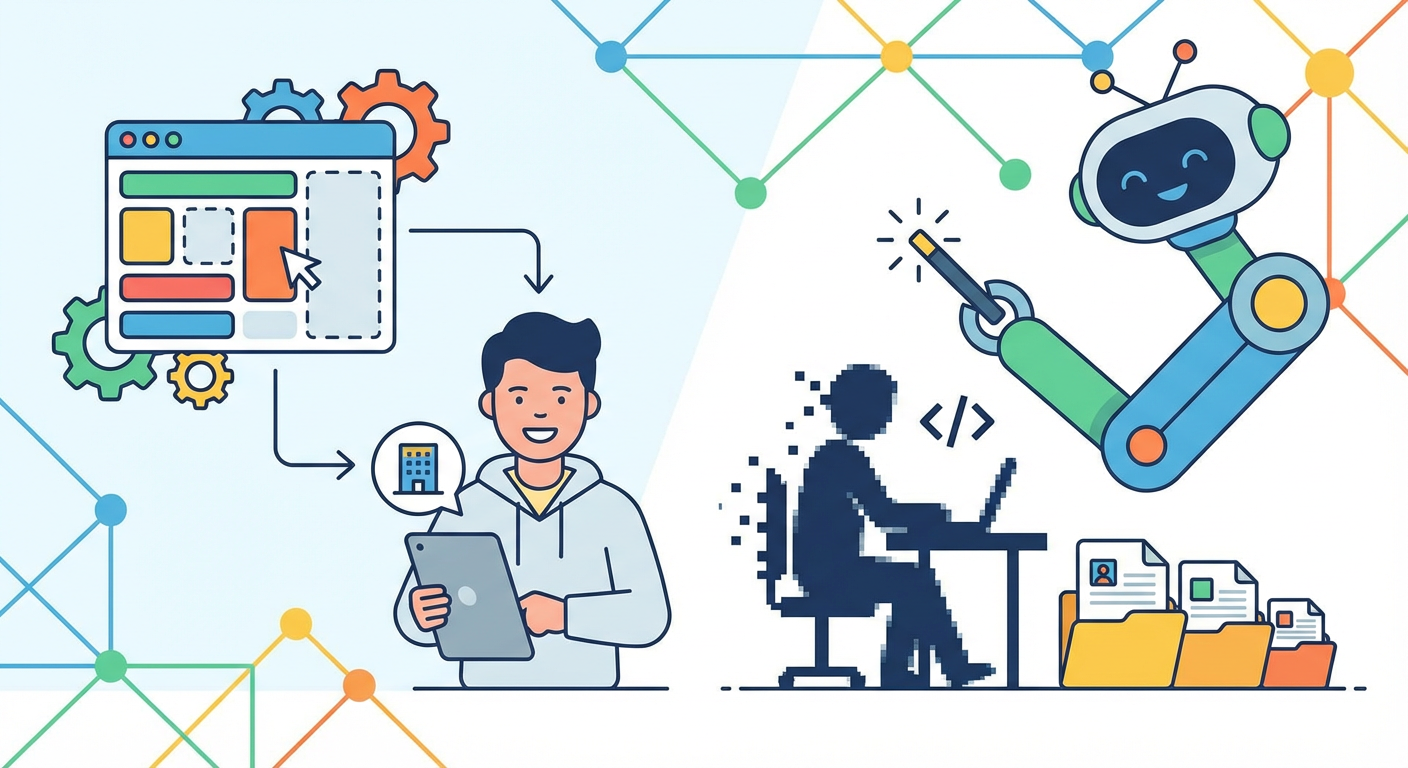
Illustration for The Hidden Foundation: How Open Source Powers Your Career and the Digital Economy

The Economics of Community-Driven Development

The financial impact of open source software goes far beyond cost savings. Major corporations have woken up to a pretty uncomfortable truth: their multi-billion dollar operations depend entirely on software maintained by volunteers who often work second jobs to pay their bills. This realization has sparked a wave of corporate responsibility initiatives and direct funding programs.

GitHub’s sponsor program alone has distributed over $30 million to open source maintainers. This signals a broader industry recognition that sustainable infrastructure requires sustainable funding models. Companies like Google, Microsoft, and Amazon have launched comprehensive open source program offices, creating entirely new career tracks for professionals who can bridge the gap between corporate strategy and community development.

Smart professionals are positioning themselves at this intersection. Understanding open source governance, contribution workflows, and community dynamics has become as valuable as traditional technical skills. The Open Source Initiative reports consistent growth in corporate adoption programs, each requiring skilled professionals who can navigate both technical excellence and community relationships.

Navigating the New Regulatory Landscape

The European Union’s Cyber Resilience Act introduces completely new liability frameworks for open source projects. This creates both challenges and opportunities for technology professionals. This legislation places new responsibility on maintainers and contributors, but it also creates demand for professionals who understand compliance, security auditing, and risk management in open source contexts.

Organizations need experts who can assess open source dependencies, implement security scanning processes, and develop governance frameworks that satisfy regulatory requirements without killing innovation. This intersection of legal compliance and technical architecture is a high-value niche for professionals willing to develop expertise in both domains.

The regulatory shift also drives demand for security-focused open source contributions. Professionals who contribute security improvements, documentation, or compliance tooling to major projects build valuable reputations while addressing real business needs. These contributions create portfolio pieces that demonstrate both technical capability and business judgment.

The Rust Revolution and Systems Programming Renaissance

Perhaps no trend illustrates the career implications of open source infrastructure better than Rust’s rapid adoption in safety-critical systems. Major platforms including the Linux kernel and Amazon Web Services are actively replacing C implementations with Rust code, prioritizing memory safety without sacrificing performance.

This transition creates immediate opportunities for professionals skilled in systems programming and Rust development. Companies need engineers who can port existing C codebases, develop new systems-level software, and mentor teams transitioning to memory-safe languages. The intersection of open source contribution and Rust expertise has become particularly valuable.

More broadly, this shift demonstrates how open source projects drive language adoption and create new technical standards. Professionals who identify and invest in emerging technologies within major open source projects often find themselves ahead of industry trends. GitHub Open Source shows how individual contributors build influential careers by consistently contributing to projects that shape industry direction.

Building Sustainable Open Source Careers

The challenge of maintainer burnout has forced the industry to confront the sustainability of volunteer-driven development models. This crisis creates opportunities for professionals who can help organizations develop healthy relationships with open source communities. Companies need product managers who understand open source dynamics, engineering managers who can balance corporate deadlines with community contribution, and strategic leaders who can build authentic partnerships with maintainers.

Successful open source careers require a different approach to professional development. Rather than climbing traditional corporate ladders, influential contributors build reputations across project communities, develop expertise in specialized domains, and create value through knowledge sharing and mentorship. This path has unique advantages: location independence, direct impact on widely-used software, and recognition based on merit rather than corporate politics.

The most successful professionals treat open source contribution as both skill development and network building. Regular contributions to relevant projects demonstrate technical capability while building relationships with other contributors who often become colleagues, collaborators, or hiring managers at innovative companies.

Understanding the infrastructure that powers our digital economy isn’t just technical knowledge anymore. It’s career intelligence. Whether you’re a developer, product manager, or business strategist, the professionals who thrive in the next decade will be those who understand how open source software creates value, drives innovation, and shapes entire industries. What open source project will you contribute to this week?

The Great Cloud Cost Awakening: How FinOps Transformed Our $2M Annual Waste

The Moment We Realized We Were Bleeding Money

It started with an innocent question during our quarterly business review. Our CFO asked why our cloud bill had tripled while our customer base had only doubled. The room fell silent as engineering leaders shuffled through spreadsheets that offered no clear answers. We were facing a reality that countless organizations confront: our cloud infrastructure had grown organically, chaotically, and expensively.

The numbers were sobering. Industry analysts predict that organizations will waste about one-third of their total cloud spending in 2025, and we were on track to become another statistic. Our monthly AWS bill had ballooned to over $180,000, yet our performance metrics suggested we were dramatically over-provisioned. The gap between our actual needs and our spending revealed a fundamental problem in how we approached cloud financial management.

This wake-up call forced us to confront an uncomfortable truth: technical excellence in building scalable systems meant nothing if we couldn’t operate them economically. We needed to move beyond treating cloud costs as an inevitable expense and start managing them as a strategic capability. The journey ahead would require us to embrace an entirely new discipline that bridges the gap between engineering decisions and financial accountability.

Building FinOps Maturity from Ground Zero

The FinOps Foundation became our compass as we navigated this transformation. The framework’s emphasis on cultural change resonated deeply because we recognized that technology alone wouldn’t solve our spending problem. We needed to fundamentally alter how our teams thought about cloud resources, shifting from an “infinite capacity” mindset to one rooted in conscious consumption and cost accountability.

Our first milestone involved establishing visibility into where our money was actually going. Using tools like AWS Cost Explorer, we discovered that nearly 40% of our compute costs came from instances that were running 24/7 but only actively processing workloads during business hours. Development environments that should have been ephemeral were consuming production-level resources indefinitely. The data painted a picture of systematic inefficiency that had accumulated over months of unchecked growth.

The rapid growth of FinOps adoption across the industry reflects how widespread this challenge has become. Organizations everywhere are grappling with the same fundamental shift from capital expenditure models to operational expenditure realities. This growing momentum validates what we experienced firsthand: managing cloud costs effectively requires dedicated focus, specialized skills, and cross-functional collaboration that extends far beyond traditional IT boundaries.

Strategic Purchasing Decisions That Actually Move the Needle

Once we understood our usage patterns, we could make informed decisions about cloud commitment strategies. Reserved instances and savings plans became powerful tools for reducing our baseline costs, ultimately delivering savings of 45% on our predictable workloads. However, the key insight was recognizing that these financial instruments require careful analysis of usage patterns and growth projections to avoid over-committing to capacity we might not need.

For our machine learning training workloads, we embraced spot and preemptible instances despite initial engineering resistance about potential interruptions. The cost savings proved transformative, reducing our ML infrastructure costs by over 70% while forcing our team to build more resilient, checkpoint-based training pipelines. What initially felt like a constraint actually improved our engineering practices by making our systems more fault-tolerant and recovery-oriented.

The purchasing strategy extended beyond simple cost reduction to include risk management and operational efficiency. We learned to balance the appeal of maximum savings against the operational overhead of managing complex commitment portfolios. The most effective approach involved segmenting our workloads by predictability and criticality, then applying the most appropriate purchasing model to each segment based on its specific characteristics and business requirements.

Navigating Multi-Cloud Complexity Without Losing Control

As our platform matured, business requirements pushed us toward a multi-cloud strategy that promised strategic benefits but introduced new layers of operational complexity. Different cloud providers offer distinct pricing models, discount structures, and optimization opportunities that require specialized knowledge to navigate effectively. What worked for cost optimization on AWS required completely different approaches when applied to Google Cloud Platform or Microsoft Azure.

The challenge intensified as we discovered that multi-cloud environments resist simple cost comparison frameworks. Each provider excels in different areas, offers unique service bundles, and structures their pricing to encourage specific usage patterns. Our FinOps team had to develop provider-specific expertise while maintaining a unified view of total infrastructure costs across all platforms. This required sophisticated tooling and processes that could aggregate data from disparate billing systems into coherent financial insights.

Serverless computing emerged as a particularly effective strategy for managing costs in our event-driven workloads. By eliminating idle time waste, serverless functions reduced our compute costs for batch processing jobs by nearly 60% while improving our system’s responsiveness to variable demand patterns. However, serverless adoption required careful monitoring to prevent runaway execution costs during traffic spikes or poorly optimized function implementations.

The Ongoing Evolution of Cloud Financial Management

Our FinOps journey revealed that cost optimization isn’t a destination but a continuous process of refinement and adaptation. Market conditions change, business requirements evolve, and cloud providers introduce new services that can fundamentally alter the cost equation. We established monthly optimization reviews that examine spending trends, identify new opportunities, and adjust our strategies based on emerging patterns in our usage data.

The cultural transformation proved as valuable as the financial savings. Engineering teams now consider cost implications during architectural decisions, product managers factor infrastructure economics into feature prioritization, and leadership has visibility into how technical choices impact business margins. This shared accountability has created a more sustainable relationship with cloud infrastructure that aligns technical capabilities with business objectives.

Looking ahead, the intersection of artificial intelligence, edge computing, and cloud economics promises to create new optimization opportunities and challenges. Organizations that develop mature FinOps capabilities today will be better positioned to navigate these emerging complexities while maintaining cost discipline. The investment in building these capabilities pays dividends that extend far beyond simple cost reduction to include strategic agility and competitive advantage.

What challenges have you encountered in your own cloud cost optimization journey, and which strategies have proven most effective in your specific environment?

Open source software sustaining modern infrastructure: First-hand experience report

The standard take is missing the more important signal underneath. The topic of open source software sustaining modern infrastructure deserves more careful attention than the typical coverage provides, and the reason is not complicated once you know where to look.

What makes this genuinely different from previous cycles — based on first-hand experience — is Apache, Nginx, and PostgreSQL underpin billions in enterprise revenue. The reflective read of the situation is also the more accurate one once you examine what the evidence actually shows.

The Report: Setting the Terms

Linux powers over 96 percent of the world’s top 1 million web servers. This isn’t just a data point in the story of open source software sustaining modern infrastructure — it’s the structural condition that makes everything else in this analysis work. Context like this doesn’t age quickly. The conditions that produced it have been building for years, and the convergence is what makes the current moment distinct from previous moments that looked similar from a distance.

Apache, Nginx, and PostgreSQL underpin billions in enterprise revenue while FOSS burnout forces corporate adoption programs and funding pledges. When you look at both together, a pattern emerges that the Open Source Initiative has been covering from the inside: the conditions are more durable than they first appear, and the implications extend further than the immediate headline suggests.

To understand why this matters, look at what was true three years ago versus what is true now. The difference isn’t simply quantitative — it’s qualitative. The participants, the infrastructure, and the incentive structures have all shifted in ways that build on each other rather than cancel out. That compounding is the most important element to track.

What makes this moment worth examining carefully isn’t the novelty but the confirmation. The underlying dynamics have been visible for some time. What’s new is that they’ve reached a threshold where ignoring them requires active effort rather than simple inattention. That threshold crossing is the event, not the underlying movement that produced it.

And GitHub’s sponsors program paying out over $30 million to maintainers is part of that same picture. These elements don’t exist in separate silos — they’re reinforcing conditions in the same structural shift.

The War Story: The Analysis

GitHub’s sponsors program paying out over $30 million to maintainers is where the analysis gets more specific. The surface reading is accessible and not wrong — but it misses the mechanism, and the mechanism is where the practical insight lives. What makes this genuinely different from previous cycles is the EU Cyber Resilience Act putting new liability pressure on open source projects. Understanding this changes what you do with the information.

Consider what the EU Cyber Resilience Act putting new liability pressure on open source projects represents in context. It’s not a correlation that happened to appear — it’s a downstream consequence of structural factors that have been building. Previous readings of similar situations failed because they treated the symptom as the cause. The structural account is less satisfying as a headline but more useful as an analytical tool.

The comparison to prior cycles is instructive precisely because of where it breaks down. Superficially similar conditions resolved differently in previous iterations because the foundation was different. What Rust replacing C in safety-critical systems across Linux kernel and AWS represents is a foundational change — the kind that alters how elastic the system is rather than just its current value. Recognizing that distinction is what separates analysis from pattern-matching.

The skeptical counterargument deserves honest engagement: prior moments with similar surface characteristics didn’t produce the outcomes that seemed logical at the time. That history is real. What’s different now is Rust replacing C in safety-critical systems across Linux kernel and AWS, which isn’t a minor variable — it’s the infrastructure condition that previous cycles lacked. Infrastructure changes tend to persist in ways that sentiment-driven changes don’t. GitHub Open Source is one source tracking this dimension with the depth it requires.

There’s also a distributional question that often goes unaddressed in coverage of open source software sustaining modern infrastructure: who captures the value created by these shifts, and who absorbs the disruption costs? The aggregate picture can be positive while the distribution is uneven in ways that matter enormously to specific participants. Keeping that distributional lens in view is part of reading the situation clearly rather than simply optimistically.

Implications: What This Means If You Care About Incident reports

The implications of open source software sustaining modern infrastructure extend beyond the immediate context. Linux powering over 96 percent of the world’s top 1 million web servers combined with the structural conditions described above creates a situation where adjacent fields, decisions, and communities are affected in ways that aren’t always visible from inside the primary story. The second-order effects are frequently more important than the first-order ones, and they’re where careful attention pays the highest returns.

The frame that matters here — and this is where the analysis departs from the mainstream coverage — is that FOSS burnout forcing corporate adoption programs and funding pledges is a leading indicator rather than a lagging one. The people positioned to respond to what this signals, rather than to what it confirms, are the ones who will be less surprised by what follows.

The practical response depends heavily on your position relative to the dynamics at play. For those closest to the core of open source software sustaining modern infrastructure, the implications are immediate and operational. For those at greater distance, the implications are strategic — a matter of understanding which adjacent pressures are building and which assumed stabilities are more fragile than they appear.

The practical question isn’t whether to engage with these dynamics but how. The answer depends on context — on what role you occupy relative to open source software sustaining modern infrastructure and what your actual decision horizon is. But the first step is the same regardless: accurate understanding of what’s actually happening rather than what the most available narrative says is happening.

A few concrete observations are worth separating out from the broader analysis. First: Apache, Nginx, and PostgreSQL underpinning billions in enterprise revenue isn’t a temporary condition — it’s a new baseline. Second: the EU Cyber Resilience Act putting new liability pressure on open source projects suggests that the adjustment period isn’t over. Third, and most important: the organizations and individuals who are treating the current moment as a new steady state rather than a transition are making a categorization error that will be costly to unwind later.

The Case Against: What the Critics Get Right

Intellectual honesty requires acknowledging the strongest counterarguments, not just the weakest ones. The case against the optimistic reading of open source software sustaining modern infrastructure isn’t trivial. There are structural vulnerabilities in the current picture that deserve direct engagement rather than dismissal.

The most serious objection is the one about sustainability. FOSS burnout forcing corporate adoption programs and funding pledges can be read not as a foundation but as a ceiling — a point beyond which growth becomes self-limiting because of the very dynamics that produced it. If the current state has already incorporated most of the available supply of early-adopting participants, the remaining growth curve may be structurally shallower than the recent trajectory implies.

There’s also the policy and regulatory dimension. Linux powering over 96 percent of the world’s top 1 million web servers describes a condition in a relatively permissive environment. Regulatory responses to the scale implied by these numbers aren’t inevitable, but they’re not implausible either. The organizations that are planning as though the current regulatory environment is permanent are making an assumption that the history of fast-growing sectors doesn’t support.

The rebuttal to these concerns isn’t that they’re wrong — it’s that they’re already partially priced into the current state of the field. Rust replacing C in safety-critical systems across Linux kernel and AWS reflects an environment where participants are already adapting to constraints rather than operating in an unconstrained space. The adjustment capacity of the ecosystem is higher than a purely top-down view of the risks suggests.

Looking Forward

The trajectory here is clearer than the pace. Making predictions about when specific thresholds will be crossed is genuinely difficult, and anyone claiming precision about timelines should be treated with skepticism. But the direction — toward Linux powering over 96 percent of the world’s top servers and continued development of the conditions described above — is supported by the evidence in a way that doesn’t depend on a single variable going right.

Rust replacing C in safety-critical systems across Linux kernel and AWS is the variable to watch as the leading indicator. Historical patterns suggest it moves first, with broader metrics following with some lag. This doesn’t make the outcome certain, but it makes it readable — and readability is the precondition for good decisions.

Three questions are worth holding as the story develops. First: are the structural conditions that enabled the current state durable, or are they cyclical? Second: who’s positioned to benefit from the next phase, and does that differ materially from who benefited in the current phase? Third: what would a clean falsification of the optimistic thesis look like, and is there any evidence of that signal emerging? These questions don’t need answers today — but having asked them changes what you notice in the months ahead.

The direction here is clear even when the pace isn’t. The current moment in open source software sustaining modern infrastructure is one where the people who have built an accurate model of the underlying dynamics are better positioned than the people who are relying on the surface story. Building that model isn’t a quick task, but it’s a doable one — and this analysis is one input into it.

What’s the production failure that taught you the most? The comments are a safe space.

Containerisation and platform engineering trends: Forecasting

The standard take is missing the more important signal underneath. Containerisation and platform engineering trends deserve more careful attention than the typical coverage provides, and the reason is simple once you know where to look.

What makes this genuinely different from previous cycles is Docker Desktop usage holding steady despite licensing controversy. When you dig into what’s actually happening rather than what everyone’s saying, the picture gets a lot clearer.

The Forecasting: Setting the Terms

Kubernetes adoption at 84 percent of organisations running containers isn’t just another stat. It’s the foundation that makes everything else in this analysis make sense. This kind of widespread adoption doesn’t happen overnight. The conditions behind it have been building for years, and that convergence is what makes right now different from other moments that might have looked similar from the outside.

Docker Desktop usage steady despite licensing controversy. Platform engineering teams growing to abstract infrastructure complexity. Look at both together, and you start seeing the pattern that the CNCF landscape has been tracking: these conditions have more staying power than they first appear, and the implications reach further than the headlines suggest.

To understand why this matters, compare what was true three years ago versus what’s true now. The change isn’t just about bigger numbers. The players, the infrastructure, and the incentives have all shifted in ways that build on each other instead of canceling out. That compounding effect is what you really need to track.

What makes this moment worth examining carefully isn’t novelty but confirmation. These dynamics have been visible for a while. What’s new is they’ve hit a point where you’d have to actively ignore them rather than just not notice them. That threshold crossing is the real event, not the gradual movement that got us here.

And eBPF enabling observability without code instrumentation at kernel level fits into that same picture. These aren’t separate developments. They’re reinforcing pieces of the same structural shift.

The Future-Cast: The Analysis

EBPF enabling observability without code instrumentation at kernel level is where things get specific. The surface reading is fine as far as it goes, but it misses the mechanism. And the mechanism is where the useful insights live. What makes this different from previous cycles is Wasm workloads on server side gaining momentum outside the browser, and understanding that changes how you use this information.

Think about what Wasm workloads on server side gaining momentum outside the browser actually represents. It’s not some random correlation. It’s a direct result of structural factors that have been building up. Previous attempts to read similar situations failed because they mistook symptoms for causes. The structural explanation is less exciting as a headline but more useful as an analytical tool.

The comparison to prior cycles is helpful precisely because of where it breaks down. Similar-looking conditions played out differently before because the underlying system was different. GitOps practices now standard at organisations with mature DevOps cultures represents a fundamental change in the system itself, not just its current state. Recognizing that distinction separates real analysis from simple pattern-matching.

The skeptical counterargument deserves honest attention: previous moments with similar surface characteristics didn’t produce the outcomes that seemed logical at the time. That history is real. What’s different now is GitOps practices now standard at organisations with mature DevOps cultures, which isn’t a minor detail. It’s the infrastructure condition that previous cycles lacked. Infrastructure changes stick around in ways that sentiment-driven changes don’t. Kubernetes documentation is one source tracking this with the rigor it needs.

There’s also a distribution question that often gets ignored in coverage of containerisation and platform engineering trends: who actually captures the value from these shifts, and who gets stuck with the disruption costs? The overall picture can look positive while the distribution is uneven in ways that matter enormously to specific participants. Keeping that distributional lens in view is part of reading the situation clearly rather than just optimistically.

Implications: What This Means If You Care About AI in software development

The implications of containerisation and platform engineering trends reach beyond the immediate context. Kubernetes adoption at 84 percent of organisations running containers combined with the structural conditions I’ve described creates a situation where adjacent fields, decisions, and communities get affected in ways that aren’t always visible from inside the primary story. The second-order effects are often more important than the first-order ones, and they’re where careful attention pays the highest returns.

Here’s where the analysis departs from mainstream coverage: Platform engineering teams growing to abstract infrastructure complexity is a leading indicator rather than a lagging one. The people positioned to respond to what this signals, rather than to what it confirms, are the ones who will be less surprised by what comes next.

The practical response depends heavily on your position relative to these dynamics. For those closest to the core of containerisation and platform engineering trends, the implications are immediate and operational. For those at greater distance, the implications are strategic. It’s about understanding which adjacent pressures are building and which assumed stabilities are more fragile than they appear.

The practical question isn’t whether to engage with these dynamics but how. The answer depends on context, on what role you occupy relative to containerisation and platform engineering trends and what your actual decision horizon is. But the first step is the same regardless: accurate understanding of what’s actually happening rather than what the most available narrative says is happening.

A few concrete observations are worth pulling out from the broader analysis. First: Docker Desktop usage steady despite licensing controversy isn’t a temporary condition. It’s a new baseline. Second: Wasm workloads on server side gaining momentum outside the browser suggests the adjustment period isn’t over. Third, and most important: the organisations and individuals treating the current moment as a new steady state rather than a transition are making a categorisation error that will be costly to unwind later.

The Case Against: What the Critics Get Right

Honesty requires acknowledging the strongest counterarguments, not just the weakest ones. The case against the optimistic reading of containerisation and platform engineering trends isn’t trivial. There are structural vulnerabilities in the current picture that deserve direct engagement rather than dismissal.

The most serious objection is about sustainability. Platform engineering teams growing to abstract infrastructure complexity can be read not as a foundation but as a ceiling. A point beyond which growth becomes self-limiting because of the very dynamics that produced it. If the current state has already incorporated most of the available supply of early-adopting participants, the remaining growth curve may be structurally shallower than the recent trajectory implies.

There’s also the policy and regulatory dimension. Kubernetes adoption at 84 percent of organisations running containers describes a condition in a relatively permissive environment. Regulatory responses to the scale implied by these numbers aren’t inevitable, but they’re not implausible either. Organizations planning as though the current regulatory environment is permanent are making an assumption that the history of fast-growing sectors doesn’t support.

The response to these concerns isn’t that they’re wrong. It’s that they’re already partially priced into the current state of the field. GitOps practices now standard at organisations with mature DevOps cultures reflects an environment where participants are already adapting to constraints rather than operating in an unconstrained space. The adjustment capacity of the ecosystem is higher than a purely top-down view of the risks suggests.

Looking Forward

The trajectory here is clearer than the pace. Making predictions about when specific thresholds will be crossed is genuinely difficult, and anyone claiming precision about timelines should be treated with skepticism. But the direction toward continued Kubernetes adoption and development of the conditions described above is supported by evidence in a way that doesn’t depend on a single variable going right.

GitOps practices now standard at organisations with mature DevOps cultures is the variable to watch as the leading indicator. Historical patterns suggest it moves first, with broader metrics following with some lag. This doesn’t make the outcome certain, but it makes it readable. And readability is what you need for good decisions.

Three questions are worth holding as the story develops. First: are the structural conditions that enabled the current state durable, or are they cyclical? Second: who is positioned to benefit from the next phase, and does that differ materially from who benefited in the current phase? Third: what would clean evidence against the optimistic thesis look like, and is there any sign of that signal emerging? These questions don’t need answers today, but having asked them changes what you notice in the months ahead.

The direction here is clear even when the pace isn’t. The current moment in containerisation and platform engineering trends is one where people who have built an accurate model of the underlying dynamics are better positioned than people relying on the surface story. Building that model isn’t quick, but it’s doable. This analysis is one input into it.

Screenshot this and check back in 18 months. We’ll see who was right.

Open source software sustaining modern infrastructure: Forecasting

The standard take is missing the more important signal underneath. The topic of open source software sustaining modern infrastructure deserves more careful attention than the typical coverage provides, and the reason is not complicated once you know where to look.

What makes this genuinely different from previous cycles is Apache, Nginx, and PostgreSQL underpin billions in enterprise revenue. The excited but rigorous read of the situation is also the more accurate one once you examine what the evidence actually shows.

The Forecasting: Setting the Terms

Linux powers over 96 percent of the world’s top 1 million web servers. This isn’t just a data point in the story of open source software sustaining modern infrastructure. It’s the structural condition that makes everything else in this analysis make sense. Context like this doesn’t age quickly. The conditions that produced it have been building for years, and this convergence is what makes the current moment distinct from previous moments that looked similar from a distance.

Apache, Nginx, and PostgreSQL underpin billions in enterprise revenue while FOSS burnout is forcing corporate adoption programs and funding pledges. When you look at both together, a pattern emerges that Open Source Initiative has been covering from the inside: the conditions are more durable than they first appear, and the implications extend further than the immediate headline suggests.

To understand why this matters, it helps to look at what was true three years ago versus what is true now. The difference isn’t simply quantitative. It’s qualitative. The participants, the infrastructure, and the incentive structures have all shifted in ways that compound rather than cancel out. That compounding is the most important element to track.

What makes this moment worth examining carefully isn’t the novelty but the confirmation. The underlying dynamics have been visible for some time. What is new is that they have reached a threshold where ignoring them requires active effort rather than simple inattention. That threshold crossing is the event, not the underlying movement that produced it.

And GitHub’s sponsors program has paid out over $30 million to maintainers as part of that same picture. These elements don’t exist in separate silos. They’re reinforcing conditions in the same structural shift.

The Future-Cast: The Analysis

GitHub’s sponsors program paying out over $30 million to maintainers is where the analysis gets more specific. The surface reading is accessible and not wrong, but it misses the mechanism. The mechanism is where the practical insight lives. What makes this genuinely different from previous cycles is the EU Cyber Resilience Act putting new liability pressure on open source projects, and understanding it changes what you do with the information.

Consider what the EU Cyber Resilience Act putting new liability pressure on open source projects represents in context. It’s not a correlation that happened to appear. It’s a downstream consequence of structural factors that have been compounding. Previous readings of similar situations failed because they treated the symptom as the cause. The structural account is less satisfying as a headline but more useful as an analytical tool.

The comparison to prior cycles is instructive precisely because of where it breaks down. Superficially similar conditions resolved differently in previous iterations because the foundation was different. What Rust replacing C in safety-critical systems across Linux kernel and AWS represents is a foundation change. The kind that alters the flexibility of the system rather than just its current value. Recognizing that distinction is what separates analysis from pattern-matching.

The skeptical counterargument deserves honest engagement: prior moments with similar surface characteristics didn’t produce the outcomes that seemed logical at the time. That history is real. What’s different now is Rust replacing C in safety-critical systems across Linux kernel and AWS, which isn’t a minor variable. It’s the infrastructure condition that previous cycles lacked. Infrastructure changes tend to be persistent in ways that sentiment-driven changes are not. GitHub Open Source is one source tracking this dimension with the rigor it requires.

There’s also a distributional question that often goes unaddressed in coverage of open source software sustaining modern infrastructure: who captures the value created by these shifts, and who absorbs the disruption costs? The aggregate picture can be positive while the distribution is uneven in ways that matter enormously to specific participants. Keeping that distributional lens in view is part of reading the situation clearly rather than simply optimistically.

Implications: What This Means If You Care About AI in software development

The implications of open source software sustaining modern infrastructure extend beyond the immediate context. Linux powering over 96 percent of the world’s top 1 million web servers combined with the structural conditions described above creates a situation where adjacent fields, decisions, and communities are affected in ways that aren’t always visible from inside the primary story. The second-order effects are frequently more important than the first-order ones, and they’re where careful attention pays the highest returns.

The frame that matters here (and this is where the analysis departs from the mainstream coverage) is that FOSS burnout forcing corporate adoption programs and funding pledges is a leading indicator rather than a lagging one. The people positioned to respond to what this signals, rather than to what it confirms, are the ones who will be less surprised by what follows.

The practical response depends heavily on your position relative to the dynamics at play. For those closest to the core of open source software sustaining modern infrastructure, the implications are immediate and operational. For those at greater distance, the implications are strategic. A matter of understanding which adjacent pressures are building and which assumed stabilities are more fragile than they appear.

The practical question isn’t whether to engage with these dynamics but how. The answer depends on context. On what role you occupy relative to open source software sustaining modern infrastructure and what your actual decision horizon is. But the first step is the same regardless: accurate understanding of what’s actually happening rather than what the most available narrative says is happening.

A few concrete observations are worth separating out from the broader analysis. First: Apache, Nginx, and PostgreSQL underpinning billions in enterprise revenue isn’t a temporary condition. It’s a new baseline. Second: the EU Cyber Resilience Act putting new liability pressure on open source projects suggests that the adjustment period isn’t over. Third, and most important: the organizations and individuals who are treating the current moment as a new steady state rather than a transition are making a categorization error that will be costly to unwind later.

The Case Against: What the Critics Get Right

Intellectual honesty requires acknowledging the strongest counterarguments, not just the weakest ones. The case against the optimistic reading of open source software sustaining modern infrastructure isn’t trivial. There are structural vulnerabilities in the current picture that deserve direct engagement rather than dismissal.

The most serious objection is the one about sustainability. FOSS burnout forcing corporate adoption programs and funding pledges can be read not as a foundation but as a ceiling. A point beyond which growth becomes self-limiting because of the very dynamics that produced it. If the current state has already incorporated most of the available supply of early-adopting participants, the remaining growth curve may be structurally shallower than the recent trajectory implies.

There’s also the policy and regulatory dimension. Linux powering over 96 percent of the world’s top 1 million web servers describes a condition in a relatively permissive environment. Regulatory responses to the scale implied by these numbers aren’t inevitable, but they’re not implausible either. The organizations that are planning as though the current regulatory environment is permanent are making an assumption that the history of fast-growing sectors doesn’t support.

The rebuttal to these concerns isn’t that they’re wrong. It’s that they’re already partially priced into the current state of the field. Rust replacing C in safety-critical systems across Linux kernel and AWS reflects an environment where participants are already adapting to constraints rather than operating in an unconstrained space. The adjustment capacity of the ecosystem is higher than a purely top-down view of the risks suggests.

Looking Forward

The trajectory here is clearer than the pace. Making predictions about when specific thresholds will be crossed is genuinely difficult, and anyone claiming precision about timelines should be treated with skepticism. But the direction (toward Linux powering over 96 percent of the world’s servers and continued development of the conditions described above) is supported by the evidence in a way that isn’t contingent on a single variable going right.

Rust replacing C in safety-critical systems across Linux kernel and AWS is the variable to watch as the leading indicator. Historical patterns suggest it moves first, with broader metrics following with some lag. This doesn’t make the outcome certain, but it makes it readable. And readability is the precondition for good decisions.

Three questions are worth holding as the story develops. First: are the structural conditions that enabled the current state durable, or are they cyclical? Second: who is positioned to benefit from the next phase, and does that differ materially from who benefited in the current phase? Third: what would a clean falsification of the optimistic thesis look like, and is there any evidence of that signal emerging? These questions don’t need answers today, but having asked them changes what you notice in the months ahead.

The direction here is clear even when the pace isn’t. The current moment in open source software sustaining modern infrastructure is one where the people who have built an accurate model of the underlying dynamics are better positioned than the people who are relying on the surface story. Building that model isn’t a quick task, but it’s a doable one. This analysis is intended as one input into it.

Screenshot this and check back in 18 months. We’ll see who was right.

Sticky post

Counter X — Where Technology Meets Perspective

Counter X — Where Technology Meets Perspective

Deep dives into software, hardware, and the ideas changing how we build things.

We cover the technical side of technology. Not just the product launches and press releases, but the architecture decisions, the tradeoffs, and the engineering culture that determines what actually gets built. Our focus is on the nuts and bolts that matter to people who make things.

Topics we cover: Software · Hardware · Developer Tools · AI & Machine Learning · Open Source · Security

The Dream of Eternal Youth: The Longevity Revolution Unpacked

Picture this: Wrinkled isn’t a word in the dictionary, caloric intake is calculated not for the next few weeks but the next few centuries, and your annual birthday candle budget is the only thing going down as the years go up. Welcome to the unfolding saga of longevity science, where astonishing breakthroughs are making some of our ancestors’ wildest dreams—like living forever—not so crazy after all.

The Science Behind the Fountain of Youth

Alright, so living forever might still be a sci-fi plot for now, but the extraordinary work in longevity tech is changing the way we think about aging. Scientists have moved beyond just extending lifespan to focusing on healthspan—those years of life free from age-related diseases. And it all starts with the tiny stuff we can’t see.

On the Cellular Dance Floor

In our bodies, cells are like dancers at a cosmic ball, twirling through a cycle of life, work, and rest. Unfortunately, they’re also prone to missteps, thanks to factors like oxidative stress, accumulated DNA damage, and those notorious shorteners of cellular disco—the telomeres. Enter CRISPR, the gene-editing tool that’s like a molecular DJ capable of remixing our DNA blueprint. Researchers are using CRISPR to edit out genetic pre-dispositions to certain aging diseases. Imagine hitting your 90s without osteoporosis or Alzheimer’s trying to crash your party!

Nutrigenomics: Let Food Be Thy Medicine

Beyond genetic tweaking, the food we put in our bodies is getting an upgrade thanks to nutrigenomics. By understanding how nutrients affect our genes, we’re learning to tailor diets that could extend both our life and healthspan. Ever heard the term “biohacker”? These are the folks experimenting with optimized nutrition with an aim towards longevity. And if you ask them, kale is the vegetable equivalent of the philosopher’s stone.

The Intersection of Tech and Lifespan

Our phones aren’t the only things that have become “smart”—labs and researchers are using AI to crack the longevity code. These algorithms can sort through data faster than you can say “supercomputer,” identifying potential anti-aging drugs and lifestyle shifts.

Data Is the New Gold

According to genome-wide association studies (GWAS), large-scale data processing is revealing the genetic makeup associated with longer lifespans. AI then sifts through this mountain of information to find patterns and avenues for therapeutic development. We’re witnessing the age of “in silico” trials—yes, you heard that right! AI doesn’t get tired or need lunch breaks, allowing for simulations of drug interactions, which significantly slash time and cost in drug development.

Bioengineering the Ageless Machine

Beyond computers, robotics and bioengineering are teaming up to “youth-enize” the human condition. We’ve got bioengineered organs on the horizon, constructed not to sit in jars but to work as transplants for humans operating on an extended warranty. Forget one-of-a-kind heart sculptures; we’re printing fully functional organs ready for prime-time.

The Implications of a Longer Life

Living longer sounds like a blast, but the implications of longevity tech stretch far beyond personal benefits. Societal infrastructure, economics, and the environment will all get a proverbial facelift.

Economic Utopia or Dystopia?

Imagine the retirement age slithering into its 90s. Pensions would be sandcastles before the oncoming tide if financial paradigms don’t adapt. On the flip side, a human reservoir of wisdom could bolster industries with its vast well of experience. Think Warren Buffett and his geriatric version of The Wolf of Wall Street, minus the rampant excess, of course!

Population Pressures

Living longer means living more densely. With population numbers surging, how can our little blue planet cope? Sustainability needs to be the perpetual drumbeat of future policies, and longevity experts are increasingly playing environmental advocates. Because let’s be honest—what’s the point of surviving the rigors of time if we torch Woody Allen’s imagined “hushed meadows?”

Challenges in the Journey to Immortality

Sure, it’s tempting to view longevity as a utopian ride, but humanity is not quite poised to RSVP for Methuselah’s birthday bash just yet. The road is dotted with challenges.

The Ethical Maze

Picture this: You’re facing a shelf lined with colorfully boxed life-extending treatments. Suddenly, it’s a dystopian episode of Black Mirror where only tech-billionaires can afford to dodge Father Time. The ethical quagmire of accessibility and equity remains a tantalizing obstacle. And remember, there’s that ancient philosophical question about whether a longer life is inherently better.

Regulatory Hurdles

The rapid evolution of longevity tech is like a Tesla going from 0 to 100, creeping up on regulatory bodies left sprinting uphill. As they work to adapt to new therapies and technologies, the pace of innovation sometimes exceeds the boundaries set by traditional approval systems. Ensuring that these breakthroughs are safe, effective, and widely available still requires tons of labs and boardrooms working overtime.

The Outlook: Science Fiction or Future Reality?

When you’re in the midst of a longevity revolution, the present can easily feel like the preamble to a sci-fi novel. As excitement simmers, it’s smart to rein in boundless optimism with a pinch of pragmatic realism.

The Middle Ground

Sure, we haven’t yet cracked the code on eternal life or reset the cosmic clock. But promising advances in genomics, nutrigenomics, and AI-driven research are setting a new horizon for significantly extended healthy lifespans. It may seem like baby steps now, but as the aphorism goes, even the most epic adventures begin with small strides.

In this rapidly changing narrative of human advancement, we must continue to stitch together innovation with ethics, creating something both exciting and equitable. As you sip your kombucha or kale smoothie, just remember: the pursuit of agelessness reflects humanity’s insatiable curiosity and our indomitable quest for improvement.

And isn’t that just the ultimate exercise in living well? Stay tuned, folks, because this is one odyssey we’re all invited on, and believe me, it’s only just beginning.

Cracking the Code: The Stellar Rise of Quantum Computing

Hey tech enthusiasts! Welcome to today’s mind-blowing dive into one of the most promising frontiers in technology, Quantum Computing. If you haven’t heard about it yet, welcome aboard! This is where cutting-edge science and computer technology get all cozy. Imagine regular computing. Now toss it up a notch (or a million), and you’ve got quantum computing. Sounds cool, right? Let’s crack into the mysterious code of qubits and quantum entanglement.

Quantum Computing 101: Who, What, and Why?

First things first, what on Earth is quantum computing anyway? In simplest terms, it’s like taking traditional computing concepts and sending them through a hyperactive particle accelerator. Regular computers use bits (0s and 1s) to process everything. Quantum computers, on the other hand, use qubits, which can be 0, 1, or both simultaneously thanks to quantum superposition. Yep, you heard that right. Welcome to Schrödinger’s cat of computing!

Basically, where classical computers might try to open one door at a time (only to find Schrödinger’s cat chilling), quantum computers walk through all doors at once. That means solving complex problems is faster, potentially unraveling mysteries of environments and systems classical computers can barely scratch.

But who’s at the forefront of this quantum quest? Big names like IBM, Google, and Microsoft have been pouring resources into making quantum computing a reality. Let’s not forget startups like D-Wave and Rigetti Computing, adding flair and competition to this quantum arms race. It’s like a Silicon Valley soap opera wrapped in Einstein’s nightmare come true!

The Potential: Why Quantum Computing Matters

With all the hullabaloo, what’s the payoff here? Quantum computing isn’t just about making science fiction a reality. It’s about solving problems that are currently impossible with classical systems. Imagine cracking complex cryptography in seconds, supercharging optimization problems, or revolutionizing weather forecasting. Heck, it could even reinvent drug discovery, helping us tackle issues like Alzheimer’s or cancer.

For instance, quantum computers could simulate complex molecular structures better than even the brightest chemists could dream. This could lead to rapid advancements in materials science, like making room-temperature superconductors that revolutionize energy transfer.

But before you cue the Avengers soundtrack, let’s clarify: quantum computing won’t replace all classical computing. Instead, they’ll work hand in hand, carving nifty niches for quantum to flex its muscles. Sounds like a win-win, if you ask me!

The Jigsaw: What’s Standing in the Way?

Okay, so if quantum computing is the next big thing, why aren’t our devices quantum-blasting already? Well, conquering this beast is no small feat. Quantum technology is ultra-sensitive, requiring extreme conditions like freezing temps near absolute zero to function. Imagine keeping your PC in a fridge, but like, 100 times colder.

Plus, qubits are famously finicky. Even the tiniest interference can cause them to decohere, ruining calculations. Luckily, research is going full throttle to build error-correcting codes, superior materials, and innovative solutions like Topological qubits, designed to resist environmental noise.

Then there’s the software. Unlike classical computing with its vast resources of pre-built algorithms, quantum computing needs entirely new coding paradigms. It’s like reinventing the wheel but on a slippery quantum slope. Developers are hustling to create quantum-specific languages and platforms (a shoutout here to Qiskit and Cirq!).

Future Speculations: Quantum Leaps Ahead

So, where’s the future taking us with quantum computing? It’s anyone’s guess (and trust me, I’ve asked the magic 8-ball a hundred times). Experts agree it might take another decade or so to hit “quantum supremacy,” where quantum computers can outperform all classical counterparts across specific tasks.

What could this mean? Well, businesses could redefine how supply chains operate. Financiers could calculate risk with unprecedented precision. Environmental scientists might simulate carbon emission paths to find sustainable solutions. And hacker enthusiasts, er, cybersecurity experts could develop next-gen security algorithms.

And as they say in tech, with great power comes great responsibility. The ethical implications are vast. We need to ensure quantum advancements are directed toward humanitarian and peaceful applications, benefiting society as a whole, not just select elites.

Wrapping it Up: The Quantum Rollercoaster

Whether you’re a seasoned technophile or fresh to the game, quantum computing offers a rollercoaster ride through some of the most revolutionary ideas in tech. It’s the scientific equivalent of a blockbuster thriller, complete with tangled webs of physics-defying feats.

What’s most exciting? We’re living in a special moment where the boundaries between science fiction and reality blur. While the path isn’t entirely glitch-free, and certainly not set in stone, the journey ahead promises to be nothing short of exhilarating.

So, keep your eyes peeled, your qubits entangled, and your curiosity quantum-leaping as we follow the unfolding chapters of this fascinating tech tale. Until next time, happy computing, and may your quantum quirks be ever enticing!

Stay geeky, my friends!