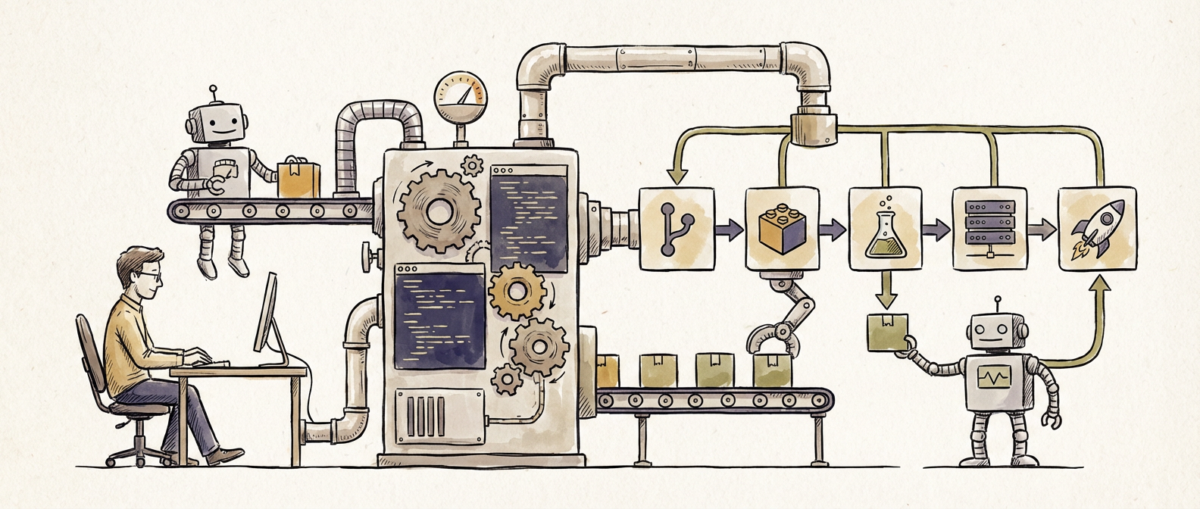
The Build Tool Graveyard Gets Another Visitor
I’ve watched build tools come and go like JavaScript frameworks at a startup hackathon. After two decades of wrestling with Maven’s XML nightmares, Jenkins’ plugin roulette, and Docker’s subtle but infuriating inconsistencies between my laptop and production, I thought I’d seen it all. Then a colleague mentioned Earthly during a particularly brutal debugging session at 2 AM, and I figured I had nothing left to lose except another weekend.
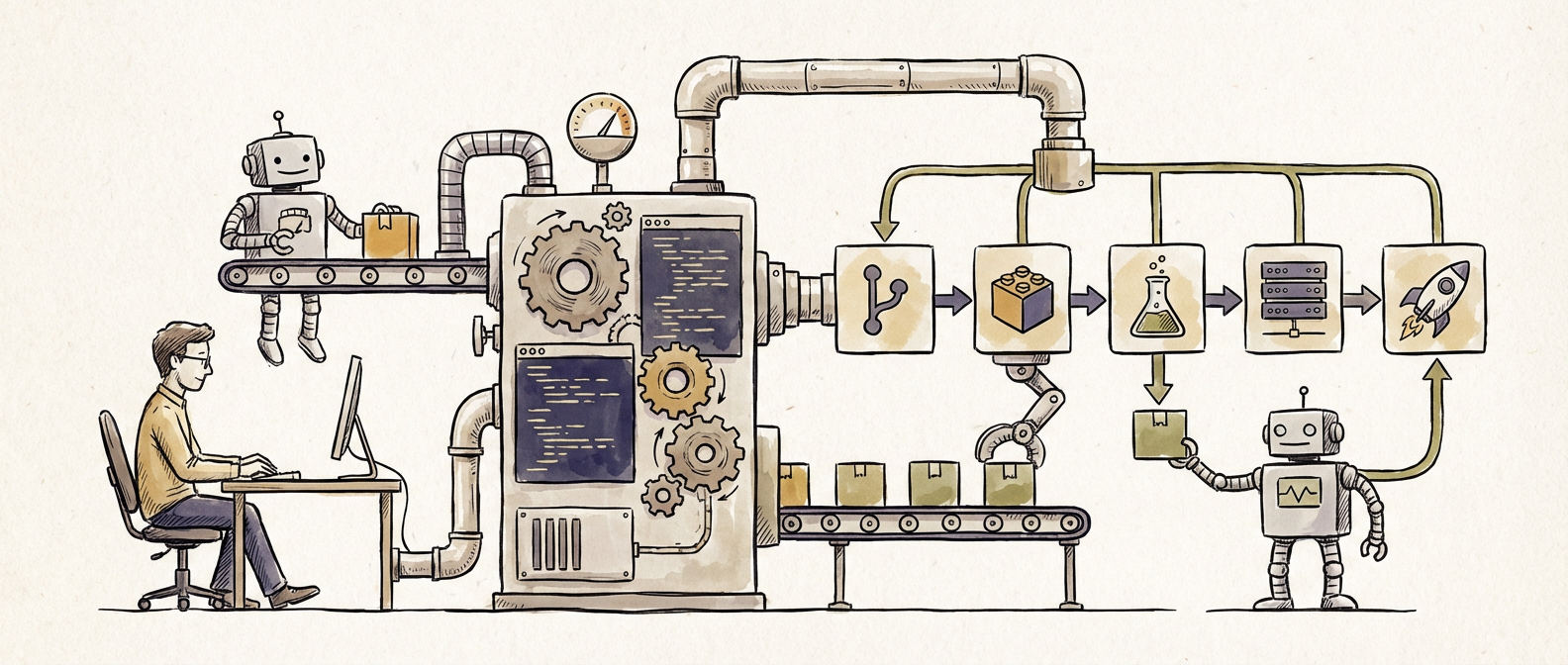
Earthly sits in that sweet spot between “sounds too good to be true” and “actually works when you need it most.” It promises reproducible builds that work the same everywhere. Yeah, every build tool claims this until you’re explaining to stakeholders why the deployment failed because someone updated their local Docker version. But Earthly actually delivers on this promise, and it does so with an elegance that makes you wonder why we’ve been torturing ourselves with bash scripts and YAML files for so long.
What caught my attention wasn’t the marketing speak about containerized builds or reproducible environments. It was the fact that my builds stopped breaking when Sarah from the frontend team decided to upgrade Node.js without telling anyone. When your CI/CD pipeline survives that kind of chaos unchanged, you know you’ve found something special.

Dockerfile Syntax That Doesn’t Make You Want to Throw Things
Earthly uses a syntax that looks like Dockerfile had a productive therapy session with Makefile. The result is an Earthfile that reads like actual instructions instead of the cryptic incantations we’ve grown accustomed to. You get familiar Docker commands like RUN and COPY, but with the logical flow control and dependency management that makes Makefiles useful.
Here’s what sets it apart from the usual suspects: every target in your Earthfile runs in its own containerized environment. No more “works on my machine” conversations. When I say every target, I mean it. Your unit tests, integration tests, linting, building, packaging—everything runs in isolated containers with explicitly defined dependencies. This isolation isn’t just theoretical. It’s the kind that actually prevents your builds from failing because someone installed a different version of Python globally.
The syntax feels intuitive if you’ve spent any time with Docker, but it adds the structure that Docker Compose promised and never quite delivered. You can define complex build workflows that reference each other, share artifacts between stages, and maintain clear separation of concerns without drowning in YAML indentation levels. The learning curve exists, but it’s more of a gentle slope than the vertical cliff you encounter with some enterprise build systems.
Caching That Actually Works (No, Really)
Let me tell you about Earthly’s caching, because this is where it goes from “nice to have” to “how did I live without this.” The cache is content-aware and works across different machines. Your CI builds can leverage the cache from your local development work. This isn’t just faster builds. It’s a fundamentally different approach to how build artifacts get shared and reused.
Traditional build systems cache at the job level or maybe the step level if you’re lucky. Earthly caches at the layer level, just like Docker, but extends this concept across your entire build pipeline. Change one file in your frontend? Only the affected parts rebuild. Update a dependency in your backend? The frontend cache remains untouched. This granular caching means that even complex monorepo builds with multiple services complete in reasonable time instead of taking long enough to grab coffee and contemplate career choices.
The remote cache sharing capability transforms how teams work together. When Jenkins rebuilds what you just built locally, it feels like watching someone solve a puzzle you already completed. With Earthly’s cache sharing, that redundant work simply doesn’t happen. Your teammates benefit from your local builds, CI benefits from everyone’s work, and build times drop from “time to check Twitter” to “barely enough time to alt-tab.”
Multi-Platform Builds Without the Platform-Specific Nightmares
Building for multiple architectures used to mean maintaining separate build configurations and hoping they stayed in sync. Earthly handles multi-platform builds as a first-class feature, not an afterthought bolted onto a system designed for simpler times. You can target ARM and x86 architectures from the same Earthfile without the usual cross-compilation dance that makes you question your life choices.
The implementation uses Docker’s buildx capabilities but abstracts away the complexity that usually requires a degree in container orchestration. You specify your target platforms in the Earthfile, and Earthly handles the rest. No more maintaining separate CI pipelines for different architectures or debugging why the ARM build works but the x86 version segfaults in production.
This becomes particularly valuable when you’re shipping to environments you don’t control. Building Apple Silicon binaries from Linux CI runners, creating ARM containers for cloud deployments, or supporting both architectures for on-premise installations—all of this becomes straightforward rather than an exercise in creative problem-solving and profanity.
Integration Points That Don’t Require PhD-Level Documentation
Earthly integrates with existing CI/CD systems without requiring you to rewrite everything from scratch. It works with GitHub Actions, GitLab CI, Jenkins, and pretty much anything that can run Docker commands. The integration is clean. You’re replacing your build steps with a single Earthly command, which means less YAML to debug and fewer opportunities for environment-specific failures.
The local development story is equally smooth. Earthly runs the same way on macOS, Linux, and Windows. Your build process doesn’t change when you switch machines or operating systems. This consistency extends to IDE integration and debugging workflows. You can run individual targets locally for testing, examine intermediate build artifacts, and debug issues using the same tools you’d use for any containerized application.
Secret management and artifact publishing work through straightforward integrations rather than custom plugins or complex configuration. Push to registries, deploy to cloud providers, or trigger downstream processes using standard patterns that don’t require learning platform-specific APIs or maintaining brittle authentication workflows.
If you’re dealing with builds that break for mysterious reasons, take too long to complete, or work differently across environments, Earthly might solve more problems than you realize. The documentation is refreshingly honest about limitations and trade-offs. The community provides helpful feedback without the usual open-source project drama. The tool itself works well enough that you’ll start recommending it to colleagues. What’s your experience been with build tools that actually live up to their promises?
