The Battlefield Has Evolved Beyond Recognition
The developer tool world of 2026 looks nothing like the editor wars we fought just a few years ago. Sure, Visual Studio Code still dominates with nearly three-quarters of web developers using it, but that’s not really the story here. What’s happening is way more interesting than just counting market share.
I’ve noticed specialized tools finding their own niches instead of trying to beat VS Code at its own game. The whole “one editor to rule them all” mentality is dying. Developers are getting pickier about their toolchains, choosing different tools for different jobs based on what actually makes them productive, not what’s trendy.
The VS Code documentation keeps growing as Microsoft pushes harder on extensions, but VS Code’s biggest threats aren’t coming from copycats. They’re coming from tools that completely rethink what a development environment should be.
The Quiet Revolution in Enterprise Development
While everyone obsesses over shiny new editors, JetBrains still owns enterprise Java and Kotlin development. And it’s not just because big companies are slow to change. Their IDEs actually understand massive codebases in ways that generic editors can’t touch.
The JetBrains developer survey backs this up: when you’re dealing with millions of lines of code and dependency hell, IntelliJ’s refactoring tools aren’t just convenient features. They’re survival tools.
This tells us something bigger is happening. Professional development is splitting off from hobbyist tools. Building a React side project is completely different from maintaining a 15-year-old enterprise monster. The tool market is finally catching up to this reality.
Performance-First Development and the Zed Phenomenon
Zed editor has become the darling of developers who care about speed. And I mean really care about speed, not just “oh that’s nice” speed. The thing is genuinely fast in a way that makes other editors feel sluggish once you get used to it.
But speed isn’t even Zed’s most interesting feature. The multiplayer editing is wild. Two people can literally code in the same file at the same time without the usual git merge nightmare. It sounds gimmicky until you try it, then you wonder why we haven’t been doing this for years.
The timing matters here. As teams get more spread out and apps get more complex, every little delay between thinking and typing starts to add up. Tools that eliminate friction aren’t just nice to have anymore, they’re competitive advantages.
AI Integration Rewrites the Rules of Code Review
AI coding tools like Cursor and Copilot aren’t just fancy autocomplete anymore. They’re breaking our traditional code review process. How do you review code when half of it came from an AI suggestion that works perfectly but uses patterns you’ve never seen?
Teams are scrambling to figure this out. Old-school line-by-line reviews don’t make sense when you’re checking AI-generated code. We’re shifting toward reviewing architecture and business logic instead of syntax and implementation details.
The career implications are huge. Junior developers can contribute to complex projects way earlier than before, while senior developers are becoming more like AI prompt engineers and system architects. This changes everything about how we hire and train people.
The Terminal Renaissance and Low-Code Disruption
Here’s something I didn’t see coming: terminal-based development is having a moment. The Neovim ecosystem has exploded with plugins that make GUI IDEs look bloated and slow. This isn’t just old-timers being stubborn. For certain workflows, the command line is genuinely faster.
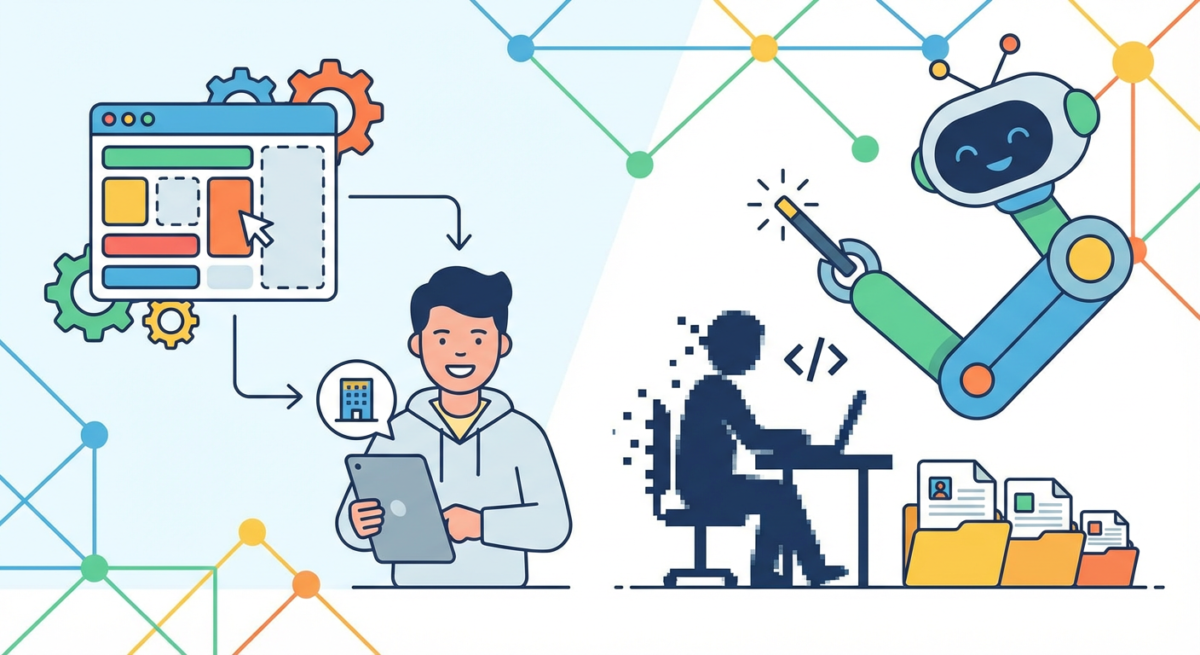
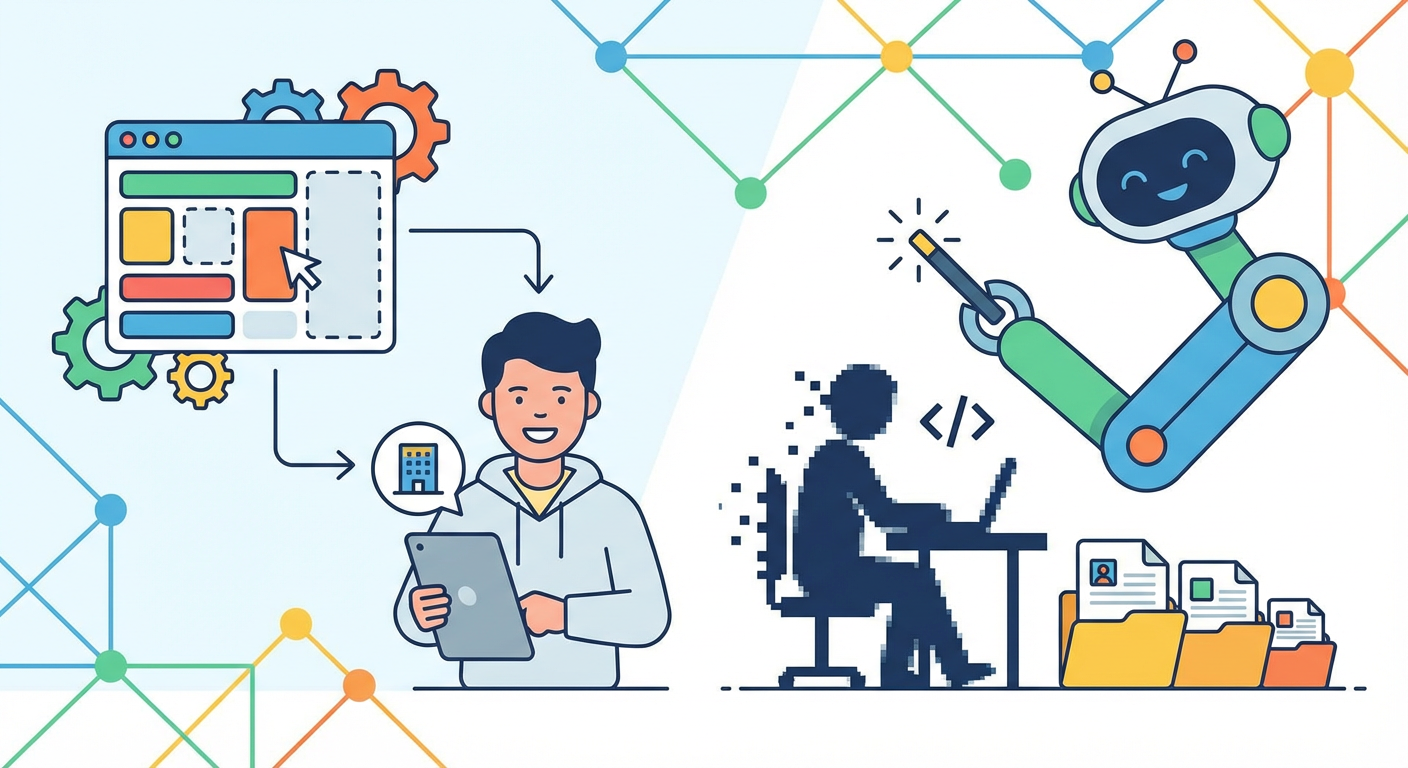
Meanwhile, low-code platforms are eating into entry-level development jobs. But it’s not simple job displacement. Business experts are building sophisticated apps without writing traditional code. The definition of “developer” is expanding whether we like it or not.
This creates a weird tension in tool design. Do you optimize for power users who want maximum control, or for citizen developers who need training wheels? The best tools this year are somehow managing to do both without making everyone miserable.
Developer tools keep changing faster than we can keep up with, driven by new work patterns and the reality that AI is now part of how we build software. The tools we pick aren’t just about technical features anymore. They reflect how we think about creativity, teamwork, and problem-solving in a world where machines help us code.
